Keeping Roofing Problems Under Control With Roof Repairs Succasunna NJ
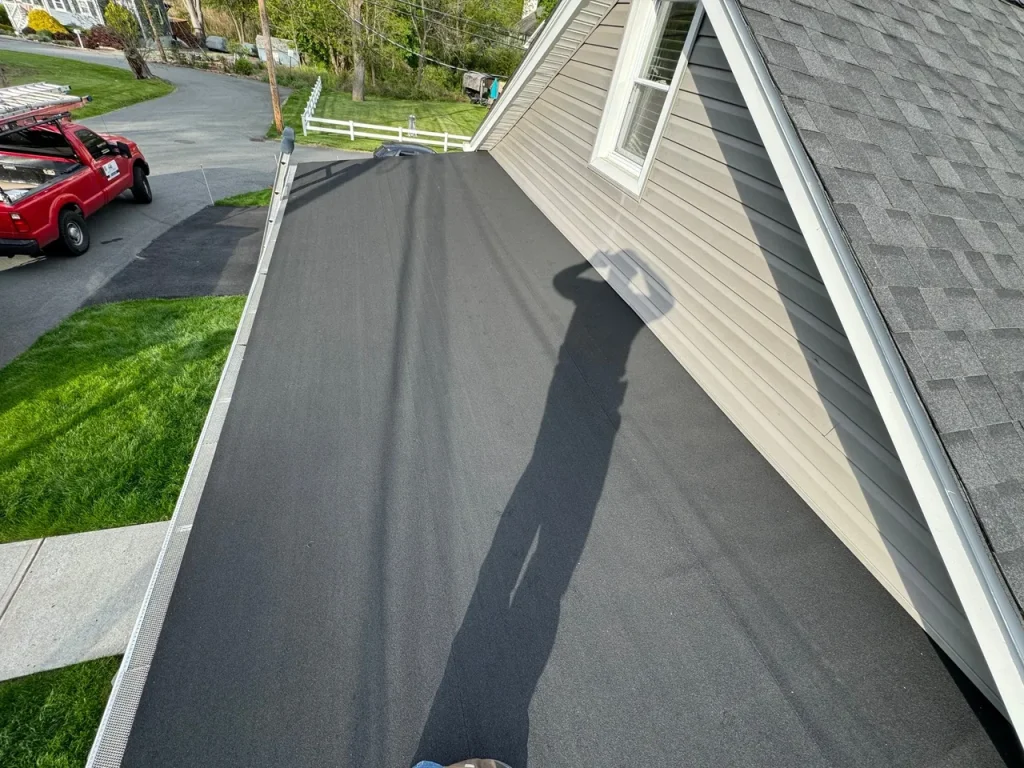
A roof rarely fails all at once. Most of the time, it gives warnings first. A lifted shingle after a windstorm. A water stain near an upstairs window. Granules collecting in the gutter. A damp smell in the attic after heavy rain. Homeowners often notice these signs and hope they can wait a season. Sometimes they can. Often they should not.
That is the reality behind Roof Repairs Succasunna NJ. In a place where winter snow, spring rain, summer heat, and fall debris all take turns stressing the same roofing system, small defects tend to become expensive ones when they are ignored. Good repair work is not only about stopping a leak. It is about preserving the structure underneath, extending roof life, and preventing the sort of hidden moisture damage that can spread far beyond the original problem area.
Anyone who has spent time around residential roofing learns the same lesson sooner or later. The roof is not one part. It is a system. Shingles matter, but so do flashing, underlayment, ventilation, fasteners, pipe boots, valleys, fascia, gutters, and attic conditions. When one part slips out of balance, the symptoms may show up somewhere else entirely. That is why quality Roof Repairs require more judgment than many people expect.
Why roofing issues escalate so quickly
A small roof defect can stay quiet for weeks, then suddenly become obvious during the wrong storm. That is not because the issue just appeared. It usually means the weak point finally met enough water, wind, ice, or heat to expose itself.
Take a common example in Succasunna. A few shingles along a roof edge loosen during winter freeze-thaw cycles. They still look mostly intact from the ground, so nobody worries. Then spring rain pushes water under the tabs. The decking gets damp, insulation absorbs moisture, and a ceiling stain shows up ten feet away from the actual opening. The repair is no longer just about replacing a few shingles. Now the contractor has to inspect the decking, underlayment, and interior moisture path as well.
The same pattern happens around flashing. Chimneys, skylights, vent pipes, and wall intersections are frequent trouble spots because they interrupt the clean slope of the roof. If flashing was installed poorly, loosened over time, or sealed with a shortcut patch years ago, water finds it. Once moisture slips behind flashing, it can travel in ways that confuse even attentive homeowners. That is one reason roof leaks are notorious for being deceptive.
Succasunna weather is hard on roofing materials
Local climate matters more than marketing brochures. Roofing products are tested in controlled ways, but real-world performance depends heavily on regional weather patterns and how well the roof was installed.
In Succasunna, roofs face a demanding cycle. Snow loads can sit on surfaces for extended periods. Ice dams can form when attic heat melts upper snow while colder eaves refreeze runoff. Rain can be driven sideways by wind. Summer sun bakes shingles and accelerates aging, especially on south- and west-facing slopes. Trees add another layer of wear by dropping leaves, twigs, and shade moisture that slows drying after storms.
These conditions do not mean every roof is in constant trouble. They do mean that repair decisions should be made with local experience in mind. A quick patch that might hold for a while in a milder climate may not survive a New Jersey winter. A sealant-only fix at a flashing joint may look tidy at first, yet fail once temperatures swing from freezing mornings to hot afternoons.
That is where practical, location-specific judgment becomes valuable. Roof Repairs Succasunna NJ should reflect how roofs actually age in Morris County, not just how they appear in a catalog or generic online guide.
The most common repair calls homeowners face
Not every roof problem is dramatic. In fact, many service calls involve aging details rather than catastrophic failure. A roof can be structurally sound overall and still need timely attention in several areas.
Leaks around pipe penetrations are common because the rubber boots that seal vent pipes tend to crack with age. Flashing damage around chimneys shows up often too, especially on older homes where mortar joints and metal components have both seen years of weather movement. Missing or torn shingles after wind events are another regular issue, and they matter more than they look from the lawn. Once the weatherproofing surface is broken, the layers below start taking hits they were never meant to absorb directly.
Gutters also play a bigger role than many people realize. When they clog, overflow can back up under roof edges and soak fascia or soffit areas. Homeowners sometimes call for roof repairs when the first visible symptom is peeling paint or rot near the eaves. The problem may involve the gutter line as much as the roof covering.
Then there are valleys, the channels where two slopes meet. Valleys carry a heavy volume of water during storms, so any installation weakness there can become a leak source fast. If a valley has worn shingles, exposed fasteners, corroded metal, or debris buildup, it deserves close attention.
Signs you should not ignore
Some warning signs are obvious, but others are subtle enough that people dismiss them. That can be an expensive habit. A good rule is simple: if moisture is involved, time matters.
- Water stains on ceilings or upper walls, especially after rain or snowmelt
- Shingles that are curled, cracked, missing, or sliding out of place
- Granules building up in gutters or at downspout outlets
- Damp attic insulation, musty odors, or visible daylight through the roof deck
- Flashing that looks lifted, rusted, or heavily caulked from past patch jobs
That last point deserves attention. Heavy caulking is not always a sign of a good repair. Quite often, it signals a history of temporary fixes layered over a deeper issue. Skilled roofers use sealants where they belong, but they do not rely on them as the whole strategy when the underlying metal, shingle, or substrate has failed.
Repair work is not all the same
Homeowners sometimes use the phrase Roof Repairs as if every repair is a small patch. In practice, the scope varies widely. One job might involve replacing a few damaged shingles and resealing exposed nail heads. Another might require partial tear-off around a chimney, replacement of rotted decking, installation of new ice-and-water protection, and proper step flashing.
That range matters because the right solution depends on accurate diagnosis. If a contractor treats every leak like a shingle problem, important details can be missed. If every minor issue is pushed toward full replacement, homeowners spend more than necessary. Good service lives in the middle, where a roof is assessed honestly and the repair matches the condition.
A sound roofer looks at age, material condition, repair history, ventilation, and the path water is likely taking. They ask questions about when the leak appears. Only during wind-driven rain? Only after snowmelt? Constantly? Intermittent leaks tell stories. So do attic conditions and the location of stains relative to penetrations and valleys. The best repair crews know how to read those clues instead of guessing.
The hidden cost of waiting too long
People usually delay roof repair for one of three reasons. They think the issue is minor, they worry the repair will be expensive, or they are unsure whom to trust. All three reactions are understandable. Unfortunately, delay tends to make each concern worse.
A small roof leak can damage insulation, ceiling drywall, trim, framing, and even electrical components if moisture reaches the wrong area. Mold does not need a dramatic flood to begin growing. It only needs persistent dampness and poor drying conditions. Decking that could have been preserved with a timely repair may need replacement if it stays wet long enough. In winter, the freeze-thaw cycle adds another layer of stress by expanding trapped moisture in vulnerable materials.
There is also the insurance question. Policies differ, and homeowners should review their own coverage, but insurers are generally more receptive to sudden storm damage than to deterioration caused by deferred maintenance. If a problem has clearly been active for a long time, that can complicate a claim.
From a budgeting standpoint, strategic repairs are often the most cost-effective choice available. They buy time, preserve service life, and let a homeowner plan for eventual replacement on their terms instead of during an emergency.
What a thorough repair visit should include
When homeowners schedule Roof Repairs Succasunna NJ, they should expect more than a quick glance from the driveway. A proper evaluation usually involves both exterior and interior observation when conditions allow. The roof surface tells part of the story. The attic often tells the rest.
A conscientious roofer checks for active damage and for related weaknesses nearby. If shingles blew off one section, why did they fail there first? Was the nailing pattern poor? Is the roof older and brittle? Did wind catch an unsealed edge? If flashing leaked, is the issue isolated or part of a larger deterioration pattern around masonry or siding intersections?
Good repair work also pays attention to material compatibility. New shingles should blend in functionally with the existing roof system, even if perfect color matching is impossible on an older roof. Metals used for flashing and fasteners should make sense together to avoid premature corrosion. Sealants should be selected for roofing conditions, not grabbed from a general-purpose shelf.
One of the best signs of professionalism is restraint. Experienced roofers do not promise that every repair will be invisible or permanent if the surrounding roof is near the end of its life. They explain the trade-off clearly. Sometimes a repair is the right move. Sometimes it is an interim measure. Honest communication matters as much as workmanship.
Repairs versus replacement, making the right call
There is no universal age at which every roof should be replaced. Material type, installation quality, ventilation, tree cover, storm exposure, and maintenance all affect lifespan. Two homes on the same street can have roofs of similar age with very different remaining service life.
A repair-first approach makes sense when damage is localized, the surrounding shingles are still serviceable, and the deck remains sound. It also makes sense when a homeowner needs to stop a problem now while planning for replacement in a year or two.
Replacement becomes more reasonable when issues are widespread, shingles have become brittle, leaks are recurring in multiple zones, or prior patching has turned the roof into a layered problem. Sometimes the labor needed to chase several aging failures starts to rival the value of a larger project. In those cases, repeated repairs can become false economy.
The judgment call should be based on condition, not pressure. A trustworthy roofer can explain why a targeted repair is adequate or why it is no longer enough.
Seasonal timing matters more than many people think
Roofing can be repaired in many seasons, but the timing affects both urgency and method. Spring often exposes damage that developed over winter. Summer allows for broader scheduling and generally favorable working conditions, though extreme heat can affect how shingles are handled. Fall is a smart time for preventive repairs because it prepares the roof for snow and ice. Winter emergency work is possible, but some materials are less cooperative in cold temperatures, and certain repairs may need a temporary stabilization followed by permanent work when conditions improve.
Homeowners who wait for a leak to become active during a major storm usually face fewer options. Roofing schedules tighten quickly after widespread weather events. Materials may be in higher demand. Temporary protection becomes the priority, not ideal timing. The calmer and less costly route is to address known concerns before the next seasonal stress test arrives.
How maintenance supports repair work
Repairs hold up better when the surrounding roof is cared for. Maintenance does not have to be complicated, but it should be deliberate. A neglected roof asks more of every https://cruzphgb755.evergrovio.com/posts/choosing-licensed-contractors-for-roof-repairs-succasunna-nj repair.
- Have the roof visually checked after major storms and at least periodically as it ages
- Keep gutters and downspouts clear so water exits the roofline properly
- Trim back branches that scrape shingles or keep sections shaded and damp
- Watch the attic for moisture, staining, and insulation problems
- Address minor defects early, before they spread into decking or interior damage
One practical note from field experience, homeowners who store boxes tightly against attic eaves often miss early signs of trouble. A little visibility goes a long way. If the attic is accessible, occasional checks after heavy rain can reveal moisture before it reaches finished rooms.
The value of local experience in Succasunna
There is a difference between general roofing knowledge and local roofing judgment. A contractor familiar with Succasunna understands the housing mix, common weather patterns, and the kinds of aging issues that show up repeatedly in the area. That experience shortens the path from symptom to solution.
Older homes may have multiple reroofing histories, making flashing transitions and deck condition less predictable. Newer homes may still experience storm-related shingle loss or ventilation shortcomings. Heavily wooded properties deal with moisture retention and debris accumulation more often than open lots. Steeper roofs shed water well but can be more vulnerable to certain wind effects. Lower-slope sections near additions or porches may need special attention where they tie into the main roof.
This is why Roof Repairs Succasunna NJ should not be treated like a generic commodity service. A repair that lasts depends on understanding both the immediate defect and the environment that created it.
Questions homeowners should feel comfortable asking
A roofing contractor does not need to turn a service call into a classroom lecture, but homeowners deserve clear answers. If you are discussing Roof Repairs, it is reasonable to ask what failed, why it failed, and whether the issue appears isolated. It is also fair to ask whether the repair is expected to be a long-term correction or a shorter-term extension of roof life.
Another useful question is whether any nearby components are at similar risk. If one pipe boot has cracked from age, the others may not be far behind. If one chimney flashing detail has failed because mortar joints are deteriorating, related maintenance may be needed. These are not upsells when they are grounded in visible condition. They are part of planning responsibly.
Documentation matters too. Photos of damaged areas before and after repair help homeowners understand what was done and can be useful for records. That level of transparency is a healthy sign.
Small details that separate durable repairs from temporary patches
The roofing trade has plenty of shortcuts. Some hold briefly. Few age well. Durable repairs depend on details that are easy to overlook from the ground.
Proper shingle integration matters. New pieces should be woven or installed in a way that respects water-shedding patterns, not simply glued over damage. Flashing should redirect water cleanly, not just block it momentarily. Fasteners should be placed correctly and not left exposed where avoidable. Underlayment should be restored when repair areas are opened up. Surrounding shingles should be handled carefully, especially on older roofs where brittleness can turn a small repair into a wider disturbance if done clumsily.
Ventilation deserves mention here too. Not every leak complaint is actually a leak. Condensation in a poorly ventilated attic can mimic roof failure by wetting sheathing and insulation from the inside. An experienced roofer knows when the problem is weather intrusion and when it is moisture imbalance within the house. The fix is not the same, and treating one like the other wastes time and money.
A controlled roof is a more affordable roof
Most homeowners do not expect perfection from a roof forever. They do expect reasonable performance, and that is achievable when problems are managed early and repairs are done with skill. The goal is not simply to react when water appears. The goal is to keep the roofing system under control, so defects stay limited, predictable, and far less expensive than emergency failures.
That is the practical promise behind well-executed Roof Repairs Succasunna NJ. A missing shingle replaced quickly can remain a missing shingle problem. A flashing issue corrected properly can remain a flashing issue. A vent boot changed at the right time can prevent insulation damage, drywall repairs, repainting, and weeks of frustration. Roofing systems reward attention. They punish delay.
For homeowners in Succasunna, the smartest approach is steady rather than dramatic. Watch for signs. Respect what local weather can do. Bring in experienced help when something looks off. And treat Roof Repairs not as a nuisance to postpone, but as a controlled investment in the life of the home.
Royalty Exteriors
Address: 151 NJ-10 Ste 103A, Succasunna, NJ 07876
Phone number: +19733337234
FAQ About Roof Repairs Succasunna NJ
How much should I pay for roof repairs?
Most homeowners pay an average of $900 to $1,200 for roof repairs, with typical projects ranging from $150 to $3,000+ depending on the severity of the damage.
What are the most common roof repairs?
The most common roof repair is fixing water leaks by replacing damaged, cracked, or missing asphalt shingles and sealing compromised flashing.
Does homeowners insurance pay for roof repairs?
Homeowners insurance pays for roof repairs only if the damage is sudden and accidental, such as from a storm, hail, or a falling tree.